Ever opened a group chat or scrolled through TikTok only to see someone post a sentence ending with “asf”? It pops up everywhere online these days, leaving plenty of readers scratching their heads.
Understanding modern digital slang can feel like learning a completely new dialect. Texting shorthand evolves rapidly, making it tricky to keep up with what your friends, kids, or colleagues actually mean.
If you have ever felt out of the loop when encountering this three-letter abbreviation, you are in the right place. Let us clear up the confusion so you can navigate digital chats with absolute confidence.
Unpacking the Mystery: Why Everyone Is Searching for ASF
The digital landscape moves at breakneck speed, and language changes right along with it. People search for this term because it appears endlessly across social platforms without a clear, traditional definition.
When you see a word like “asf” tagged onto the end of a message, it rarely changes the core subject of the sentence. Instead, it alters the emotional weight behind the message completely.
Misinterpreting internet shorthand can lead to awkward conversational moments. Clearing up this specific acronym helps bridge the gap between online slang and meaningful real-world communication.
ASF in Text – Quick Meaning Explained
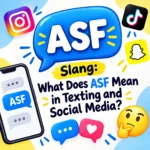
At its core, ASF stands for “As Fuck.”
It operates as an ultimate sentence amplifier. Instead of using traditional adverbs like “very,” “extremely,” or “super,” internet users append this abbreviation to stress their point dramatically.
Quick Definitions
- Literal Meaning: As fuck.
- Functional Role: An intensive modifier used to emphasize an adjective or emotion.
- Grammatical Position: Almost always placed right after the word it modifies.
“I am tired asf after working an eight-hour shift.”
“That new movie was hilarious asf, you need to watch it!”
“Why is it cold asf outside today?”
Origin and Background: How the Slang Evolved
Text abbreviations originally emerged from the early days of SMS messaging. Back when character limits were strict and phone keyboards required tapping numbers multiple times, shortening phrases was a practical necessity.
Where It Came From
The underlying phrase has existed in spoken English slang for decades. However, compressing it into three letters gained traction in early chat rooms, online gaming lobbies, and message boards during the late 2000s.
Social Media Impact
As platforms like Twitter, Instagram, and TikTok expanded globally, abbreviated slang moved from niche online forums straight into mainstream culture. Short-form video platforms accelerated its spread, turning regional slang into global internet vocabulary almost overnight.
How the Meaning Evolved
While the phrase originally carried a heavy, somewhat aggressive tone in spoken conversation, its text form softened over time. Today, it serves as a casual, everyday tool for adding emphasis rather than genuine profanity.
Real-Life Conversations: ASF in Action
Seeing how slang operates in everyday interactions makes its tone much easier to grasp. Here are realistic examples across popular communication platforms.
WhatsApp Group Chat
Alex: Are we still meeting up for dinner tonight?
Taylor: I really want to, but I am busy asf with this work project.
Alex: No worries at all, let us reschedule for the weekend!
Instagram DMs
Jordan: Did you see the photos from the beach trip?
Sam: Yes! Your outfit looked cute asf in that second slide!
Jordan: Thank you so much! You are too sweet.
TikTok Comment Section
User_1: The plot twist at the end of this episode caught me completely off guard.
User_2: Right?! I was confused asf during that final scene!
Standard SMS Text Message
Morgan: Hey, did you manage to get those concert tickets?
Chris: Yeah, but the queue was long asf. Glad I got them though!
Emotional and Psychological Meaning Behind ASF
Language is deeply tied to human emotion, and slang is no exception. Using an intensifier like this reveals a desire for authentic, unfiltered connection in a digital space that often feels sanitized.
What Emotion It Expresses
This abbreviation conveys raw intensity, urgency, and modern informality. It signals to the recipient that your feeling—whether joy, frustration, exhaustion, or excitement—is sitting at maximum volume.
Why People Use It
Online texting lacks tone of voice, facial expressions, and body language. Adding an amplifier acts as a digital substitute for vocal emphasis, helping the sender convey their precise emotional state instantly.
A Personal Observation
A few years ago, a friend texted me: “I am stressed.” I sent a standard polite response. A week later, she texted: “I am stressed asf.” That tiny three-letter addition changed my response completely—I picked up the phone and called her immediately. The slang signaled genuine emotional overwhelm that standard language just did not capture.
Usage in Different Contexts
Context determines whether slang lands properly or creates friction. Understanding where to use this term keeps your digital communication smooth and effective.
Social Media Platforms
On apps like Twitter, TikTok, and Instagram, this abbreviation is standard fare. It fits naturally into captions, public comments, and casual posts where informal brevity is rewarded.
Friends and Relationships
Among close peers, using informal amplifiers signals comfort and intimacy. It shows you are dropping formal conversational barriers and speaking candidly with one another.
Professional Settings
Keep this term far away from work emails, Slack channels, or corporate correspondence. Even in relaxed company cultures, profanity-based acronyms can appear unprofessional or disrespectful.
Casual vs. Serious Tone
This slang shines in casual banter. However, during serious, sensitive, or high-stakes conversations, it can strip away necessary empathy and make the sender seem flippant.
When NOT to Use ASF
Knowing when to leave slang out of your messages is just as important as knowing what it means.
Inappropriate Contexts
Avoid using this term in academic papers, formal emails, job applications, or customer service interactions. Professional boundaries require clear, polished English.
Cultural and Generational Sensitivity
Older generations or non-native English speakers might misunderstand the abbreviation entirely. They may find the underlying profanity offensive or feel alienated by the language gap.
Situations Subject to Misunderstanding
If you are trying to resolve a serious conflict or discuss a delicate emotional topic, skip the internet slang. Stick to direct, clear words that prevent misinterpretation.
Common Misunderstandings and Pitfalls
Because slang relies on unwritten rules, missteps happen frequently among new users.
Tone Confusion
Because the term contains explicit language in its expanded form, receivers sometimes assume the sender is angry. In reality, it usually just means the sender is feeling an emotion intensely.
Literal vs. Figurative Meaning
The phrase has no literal connection to its individual words. Treating it as anything other than a casual emotional amplifier leads to unnecessary confusion.
Slang Comparison Table
| Term | Full Meaning | Intensity Level | Tone / Vibe | Primary Context |
|---|---|---|---|---|
| ASF | As Fuck | High | Casual, Bold, Modern | Social Media, Peer Texts |
| AF | As Fuck | High | Casual, Standard | Texting, Online Forums |
| Very | N/A (Standard Word) | Moderate | Neutral, Formal | Professional, Academic |
| TBF | To Be Fair | Low | Conversational, Thoughtful | Discussions, Debates |
| RN | Right Now | Low | Informative, Direct | Quick Updates, Plans |
Key Insight
While “AF” and “ASF” share the exact same meaning, “ASF” adds a stylistic emphasis in written form that mirrors a drawn-out vocal pronunciation in spoken slang.
10 Common Variations and Related Expressions
Slang rarely exists in a vacuum. Here are related expressions you will likely see alongside this abbreviation.
- AF: Short for “As Fuck.” The most common and direct alternative to the main term.
- ASFF: Extended version. Used to add extra visual emphasis to an intense feeling.
- Bored ASF: Deeply uninterested. Expresses extreme boredom with a current situation.
- Cute ASF: Highly attractive or adorable. Used to compliment people, pets, or style.
- Mad ASF: Very angry or upset. Indicates strong frustration about an event.
- Sad ASF: Deeply disappointed or hurt. Highlights emotional pain or sympathy.
- Funny ASF: Hilarious. Used when something makes you laugh out loud.
- Cold ASF: Freezing weather. Describes extremely cold temperatures or chilly room conditions.
- Busy ASF: Overwhelmed with tasks. Signals that someone has zero free time.
- Real ASF: Deeply authentic or relatable. Praises someone for being genuine and honest.
How to Respond When Someone Uses ASF
Your response depends entirely on your relationship with the sender and the context of the conversation.
Casual Replies
- “Haha I know right!”
- “Same here, honestly.”
- “100%, couldn’t agree more.”
Funny Replies
- “Tell me how you really feel! 😂”
- “On a scale of 1 to 10, sounds like an 11.”
- “Please don’t hold back your true feelings!”
Mature Replies
- “I completely understand why you feel that way.”
- “That sounds like a really intense situation.”
- “Thanks for being honest with me.”
Respectful Replies
- “Got it, thanks for letting me know.”
- “I appreciate the update.”
- “Let me know if I can help lighten the load.”
Regional and Cultural Usage Differences
Internet slang travels fast, but cultural nuances shape how different groups adopt it.
Western Culture
In North America and Western Europe, the phrase is widely integrated into youth culture. It flows seamlessly through daily texting and casual speech among young adults.
Asian and Middle Eastern Cultures
In regions where English operates as a secondary language, internet slang is adopted mainly by digital-native youth. However, traditional cultural norms prioritizing conversational politeness mean it remains strictly confined to private chats rather than public discourse.
Generational Differences: Gen Z vs. Millennials
Millennials popularized early variations like “AF” during the rise of Twitter. Gen Z adapted the spelling to “ASF” on platforms like TikTok to better match how the phrase sounds when spoken with stylized vocal emphasis.
Is ASF Safe for Kids and Teenagers?
Parents often wonder if this abbreviation poses any real danger to younger internet users.
While the abbreviation represents an explicit phrase, its everyday use among teenagers is rarely malicious. It functions primarily as standard peer-group social bonding language rather than targeted profanity.
That said, exposure to mature internet slang opens the door for broader conversations about digital etiquette. Teaching kids the difference between casual texting with peers and respectful communication with adults is essential for their digital literacy. For deeper insights into language, names, and cultural communication trends, explore Name Meaning Zone to expand your vocabulary knowledge. To read more about how online slang impacts modern linguistics, check out Merriam-Webster’s Slang Insights.
Frequently Asked Questions
What does ASF stand for in text messaging?
It stands for “As Fuck.” It is used to amplify adjectives and emphasize feelings in casual digital conversations.
Is ASF an offensive term to use?
It depends on the audience. While common in casual texting among peers, it contains crude language and should be avoided in formal, professional, or sensitive settings.
What is the difference between AF and ASF?
There is no difference in meaning. Both stand for the exact same phrase, though “ASF” is often preferred by younger users for added visual emphasis.
Can I use ASF in a professional email?
No. Using profanity-based slang in professional environments can undermine your credibility and appear disrespectful to colleagues or clients.
How do you pronounce ASF when speaking out loud?
People either pronounce the three individual letters (“A-S-F”) or simply say the full underlying phrase (“as fuck”) out loud.
Final Thoughts on Modern Slang
Language is a living, breathing ecosystem that changes alongside human technology. Embracing modern texting slang is not about abandoning traditional grammar—it is about staying connected to the evolving ways we express emotion.
Next time you spot this three-letter abbreviation in a message, you won’t need to double-check its meaning. You can jump right into the conversation, read the room accurately, and respond with complete confidence.